-

Heal Your Wounds & Find Your True Self
09 $Posits that life’s problems, both physical and emotional, originate from five fundamental wounds: rejection, abandonment, humiliation, betrayal, and injustice.
-

-
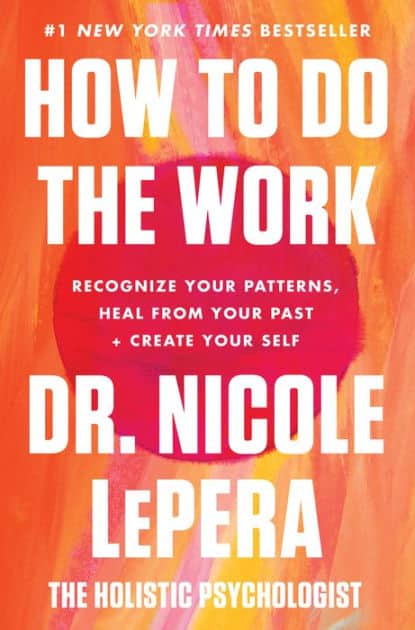
How to Do the Work
09 $A holistic psychology guide for self-healing, teaching you to break negative cycles by understanding childhood trauma, developing self-awareness, and reconnecting your mind, body, and soul to live authentically, using journaling, mindfulness, and inner child work to transform self-sabotage into self-empowerment.
-
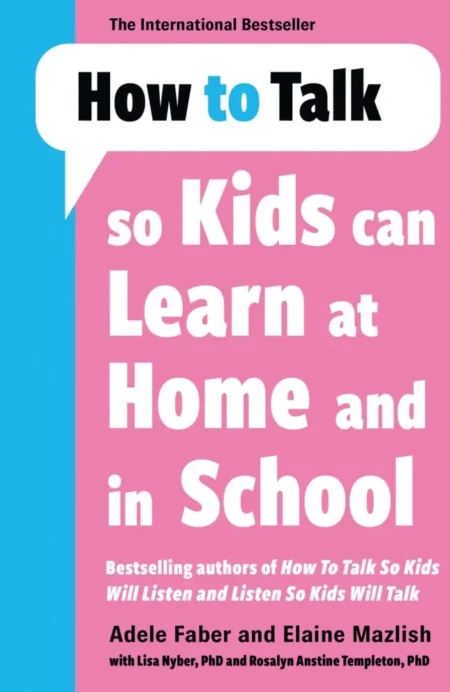
How To Talk So Kids Can Learn At Home And In School
020 $Focuses on improving communication between adults and children to foster a positive learning environment both at home and in school.
-
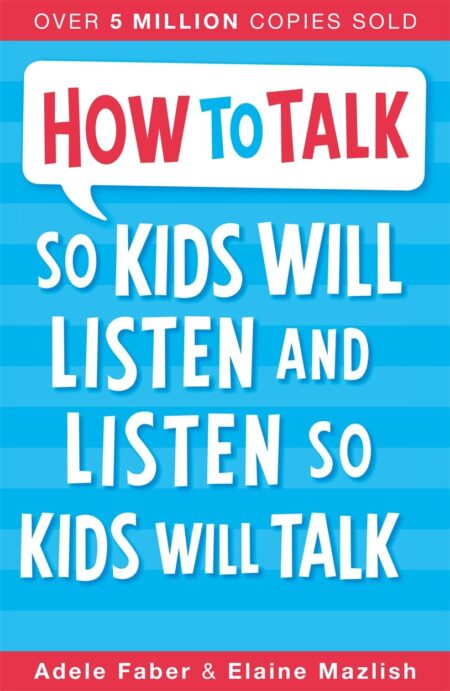
How To Talk So Kids Will Listen And Listen So Kids Will Talk
020 $Offers practical communication strategies for parents to improve relationships with their children.
-

How To Talk: Siblings Without Rivalry
020 $Offers practical advice and communication strategies for parents to foster positive sibling relationships and reduce conflict.
-
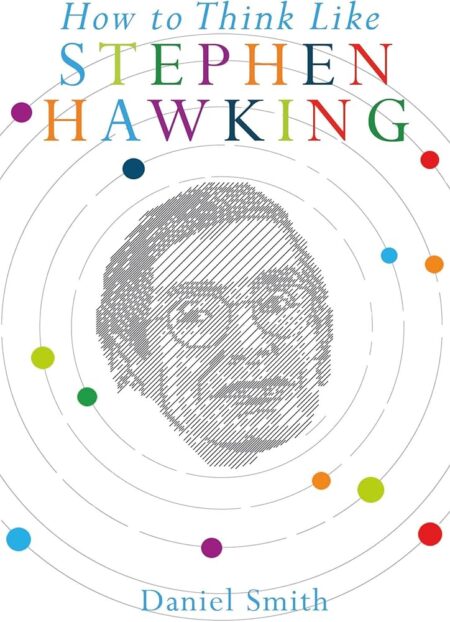
How To Think Like Stephen Hawking
015 $Studying how he overcame great adversity, fought his demons as well as his detractors, and looked back to the origins of the universe, and with quotes and passages by and about him, How to Think Like Stephen Hawking allows you to learn to think like the man who claims he can think in 11 dimensions.
-
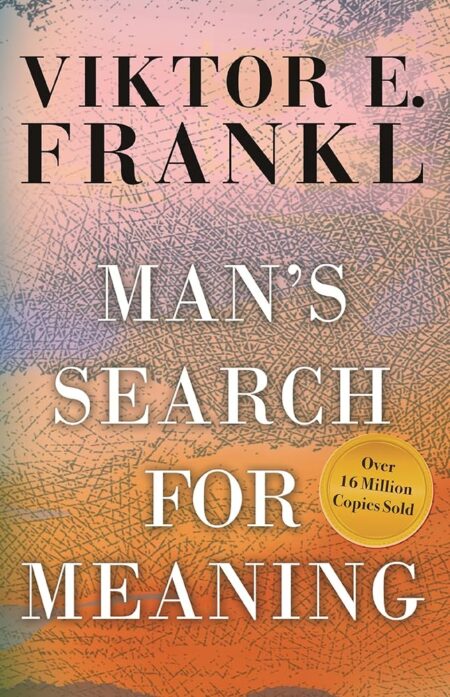
Man’s Search for Meaning
018 $Details his experiences in Nazi concentration camps and introduces his psychotherapeutic method, logotherapy.
-
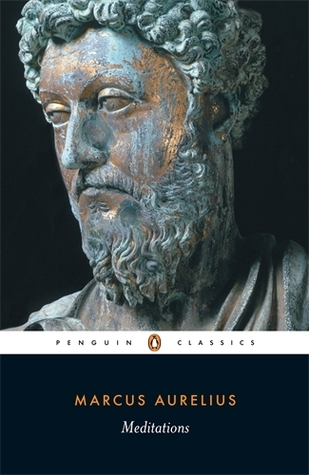
Meditations
09 $A collection of personal reflections and philosophical musings on Stoic principles, written by the Roman Emperor as a guide for himself.
-

Milk and honey
09 $A collection of poetry and prose about survival. About the experience of violence, abuse, love, loss, and femininity.
-

Never Finished
015 $Delves into his personal philosophy of relentless self-improvement and pushing beyond perceived limits.
-
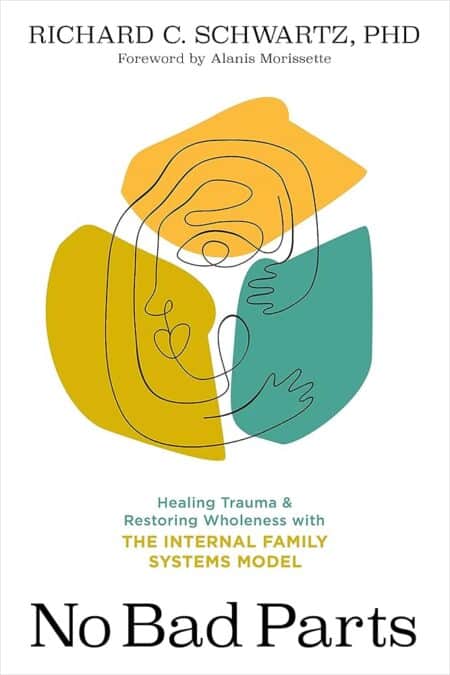
No Bad Parts
09 $Introduces the Internal Family Systems (IFS) model, which posits that the mind is comprised of multiple “parts” rather than a single entity.